
Dental Bridges in Germantown, TN: Cost, Types, and How They Replace Missing Teeth
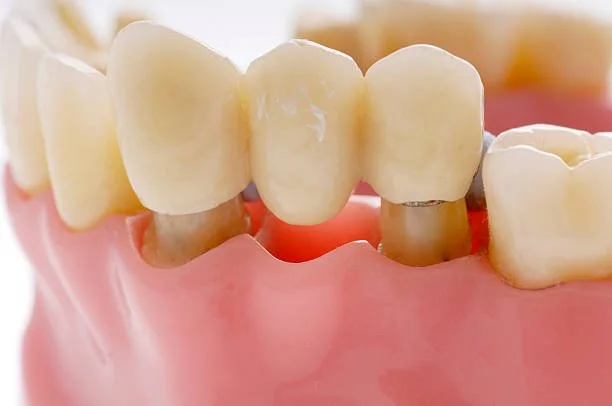
A dental bridge is a fixed dental restoration used to replace one or more missing teeth by anchoring an artificial tooth to nearby teeth. Many patients searching for dental bridges in Germantown, TN or a dental bridge near me choose this option to restore function and appearance without surgery. Patients in Germantown, Collierville, and East Memphis often consider bridges as a reliable alternative to dental implants. A well-designed dental bridge can help restore chewing, improve speech, and support a complete smile. It also helps maintain proper bite alignment and jaw stability after tooth loss.
What Is a Dental Bridge and How Does It Replace Missing Teeth?
A dental bridge is a tooth replacement option that fills the gap left by a missing tooth using a false tooth supported by nearby teeth or implants. Patients often ask, what is a dental bridge or what is a bridge dental solution, and the answer is simple. It replaces a missing tooth by connecting an artificial tooth to natural teeth or implants on either side.
A typical dental bridge for a missing tooth includes:
Abutment teeth: the natural teeth on each side of the gap
Dental crowns: placed over the abutment teeth to hold the bridge in place
Pontic: the artificial tooth that fills the space
These components work together using dental cement to create a stable, fixed restoration that restores both function and appearance.
How a Dental Bridge Works to “Bridge the Gap”
A dental bridge works by bridging the dental gap between teeth. The crowns anchor the structure to the abutment teeth, while the pontic sits in the space where the tooth is missing. This setup restores chewing function and helps keep surrounding teeth from shifting out of position.
What Teeth Can Be Replaced with a Dental Bridge?
Dental bridges can replace:
A single missing tooth
Multiple missing teeth in a row
Front teeth for smile restoration
Back teeth for chewing support
A dental bridge for front teeth focuses more on appearance, while bridges for back teeth focus on strength and bite function.
Types of Dental Bridges Available in Germantown, TN
There are several types of dental bridges, and the right option depends on your oral health, the number of missing teeth, and how much support is available from surrounding teeth. Most options are considered a fixed bridge dental solution, which means they are securely placed and not removable. Each type is designed to restore missing teeth while supporting chewing function and maintaining proper bite alignment.
Traditional Dental Bridge (Most Common Option)
A traditional dental bridge uses dental crowns placed on both sides of the missing tooth to support the pontic.
Strong and durable for everyday use
Common for both front and back teeth
Provides stable support for chewing function
This is the most widely used option for a fixed dental bridge.
Cantilever Dental Bridge (When Only One Tooth Supports It)
A cantilever dental bridge, also referred to as a dental cantilever bridge, is supported by only one abutment tooth.
Used when only one adjacent tooth is available
Applies more pressure to the supporting tooth
Recommended in select cases where other options are not suitable
Maryland Bonded Dental Bridge (Minimal Prep Option)
A Maryland dental bridge, also known as bonded dental bridges, uses a metal or ceramic framework that is bonded to the back of adjacent teeth.
Requires minimal tooth preparation
Often used for front teeth
Preserves more natural tooth structure
Implant-Supported Dental Bridge (Advanced Option)
A dental implant supported bridge uses implants instead of natural teeth for support.
Ideal for replacing multiple missing teeth
Provides strong and stable support
Helps maintain jaw stability and bone structure
This option combines the benefits of dental implants and bridges for long-term durability.
Dental Bridge vs Dental Implant: Which Option Is Better in Germantown?
Choosing between a dental bridge vs implant depends on your oral health, treatment goals, and budget. Patients comparing dental implants vs bridges or deciding on a tooth implant vs dental bridge should understand how each option differs in procedure, cost, and long-term outcomes, including the dental implant vs bridge cost difference.
Key Differences in Procedure, Cost, and Longevity
| Feature | Dental Bridge | Dental Implant |
|---|---|---|
| Procedure | Less invasive, no surgery required | Surgical placement into the jawbone |
| Treatment Time | Faster completion | Longer process with healing time |
| Cost | Lower upfront cost | Higher upfront investment |
| Longevity | Typically lasts 5–15 years | Can last decades with proper care |
| Bone Support | Does not preserve bone | Helps maintain bone and jaw stability |
When a Dental Bridge Is the Better Choice
A tooth implant vs dental bridge decision often favors a bridge when:
There is not enough bone to support an implant
Faster treatment is needed to restore function
Budget considerations make a bridge more practical
Adjacent teeth already need crowns for support
How Much Does a Dental Bridge Cost in Germantown, TN?
The dental bridge cost depends on several factors related to your specific case. Many patients ask, how much does a dental bridge cost or what is the cost of a dental bridge, but the final cost is based on the type of bridge and the level of treatment needed. A dental bridge is planned individually to restore missing teeth and support long-term function.
What Affects the Price of Dental Bridge Work?
The cost of dental bridge work is influenced by:
The material used, such as porcelain, zirconia, or ceramic
The number of teeth being replaced
The complexity of the case and tooth preparation required
What Is the Dental Bridge Procedure Like?
The dental bridge procedure, also referred to as a bridge dental procedure, is completed in a series of steps to create a stable and natural-looking restoration.
Step 1: Tooth Preparation and Impressions
The dentist reshapes the abutment teeth to prepare them for dental crowns. This tooth preparation allows the bridge to fit securely. Dental impressions are then taken to create a custom bridge that matches your bite and surrounding teeth.
Step 2: Temporary Dental Bridge Placement
A temporary dental bridge is placed to protect the prepared teeth and maintain chewing function while the final bridge is being made.
Step 3: Final Bridge Placement and Adjustment
The final bridge is secured using dental cement. The dentist checks bite alignment and occlusion to confirm the bridge fits properly and feels comfortable during everyday use.
Before and After Dental Bridge: What Results Can You Expect?
Patients often notice both visual and functional improvements with before and after dental bridge treatment. A well-designed restoration can close gaps, improve how your teeth look, and help you feel more confident when speaking and smiling. Many patients comparing dental bridge before and after results see a natural, complete smile that blends with surrounding teeth.
You can expect:
Improved chewing function for everyday meals
Clearer speech with better tooth support
A more complete and balanced smile
Increased confidence in social and professional settings
Support for surrounding teeth to maintain alignment
A natural looking dental bridge is carefully designed to match the shape and color of your existing teeth, helping restore both appearance and comfort.
How Long Do Dental Bridges Last?
How long do dental bridges last? Most dental bridges last between 5 and 15 years with proper care. Many patients also ask, how long does a dental bridge last or are dental bridges permanent. While a dental bridge is fixed in place and functions like a permanent restoration, it may need replacement over time due to normal wear.
Average Lifespan of a Dental Bridge
5 to 15 years on average
May last longer with consistent care and maintenance
What Affects Dental Bridge Longevity?
Several factors can affect how long a dental bridge lasts:
Daily oral hygiene and cleaning habits
Bite alignment and occlusion
Materials used, such as porcelain or zirconia
Best Materials for Dental Bridges: Porcelain, Zirconia, and More
The material used in your dental bridge plays a key role in how it looks, feels, and performs over time. Dentists choose materials based on the location of the bridge, the level of bite pressure, and your goals for appearance and durability. Understanding the differences helps you make an informed decision about your treatment.
Porcelain Dental Bridges for Natural Aesthetics
Ceramic porcelain dental bridges are designed to closely match the color and shape of natural teeth, making them a common choice for visible areas of the smile.
Ideal for front teeth and smile restoration
Natural color and translucency for a seamless appearance
Blends well with surrounding teeth
Porcelain bridges are often recommended when appearance is the main concern, especially for a dental bridge for front teeth.
Zirconia Bridges for Strength and Durability
A zirconia dental bridge is known for its strength and resistance to wear, making it a reliable option for areas that handle more chewing pressure.
High strength for long-term durability
Resistant to chipping and wear
Well-suited for back teeth and heavy bite forces
Zirconia bridges are often chosen when strength and function are the top priority, especially for restoring chewing function in the back of the mouth.
How to Care for a Dental Bridge and Keep It Clean
Proper care helps protect your dental bridge and the teeth supporting it. A consistent cleaning routine reduces plaque buildup and supports long-term oral health.
Daily Cleaning Routine for Dental Bridges
Brush twice daily using fluoride toothpaste
Clean carefully along the gumline and around the bridge
Pay attention to the area under the pontic where plaque can collect
Tools Needed to Clean Under a Bridge
Cleaning under a dental bridge requires tools designed to reach areas that a toothbrush cannot.
Dental floss for bridges to clean between and under the bridge
Bridge dental floss or floss threaders to guide floss beneath the pontic
Dental bridge flossers for easier daily cleaning
Interdental brushes to remove plaque around abutment teeth
These tools help remove debris under the bridge and support healthy gums around the restoration.
Who Is a Good Candidate for a Dental Bridge in Germantown, TN?
Ideal Candidates for Dental Bridges
You may be a good candidate for a dental bridge if you:
Have one or more missing teeth
Have healthy abutment teeth to support the bridge
Want a fixed, non-removable tooth replacement option
Need to restore chewing function and bite support
When a Dental Bridge May Not Be Recommended
A dental bridge may not be recommended if you:
Do not have strong enough adjacent teeth for support
Have active gum disease affecting oral health
Have significant bone loss that requires implant support instead
Why Choose Germantown Smiles for Dental Bridge Treatment?
Patients searching for dental bridges near me, affordable dental bridges near me, or a dental bridge near me in Germantown, Collierville, and East Memphis want care that focuses on both comfort and long-term results.
At Germantown Smiles, treatment is designed to restore missing teeth while supporting overall oral health and function.
Personalized care plans based on your needs and goals
A focus on patient comfort and reducing dental anxiety
Restorative solutions that support long-term chewing function and bite alignment
Natural-looking results that blend with your existing smile
Patients in Germantown, Collierville, and East Memphis looking for a dental bridge can expect care that prioritizes both function and appearance at every step of treatment.
FAQs About Dental Bridges
Is a dental bridge permanent?
A dental bridge is fixed in place and not removable, but it may need to be replaced over time due to normal wear.
Can a dental bridge be replaced?
Yes, a dental bridge can be replaced if it becomes worn, damaged, or no longer fits properly.
How many teeth can a bridge replace?
A dental bridge can replace one or multiple missing teeth, depending on the strength of the supporting teeth and the design of the bridge.
Are dental bridges better than implants?
It depends on your needs. Dental bridges are faster to complete and more affordable, while implants offer longer-lasting support.
Can a dental bridge be removed and recemented?
In some cases, a dental bridge can be recemented if it becomes loose and the structure is still in good condition.
Schedule a Dental Bridge Consultation in Germantown, TN
If you are missing teeth, a dental bridge can help restore chewing function, improve bite alignment, and support a more complete smile. Patients in Germantown, Collierville, and East Memphis can explore treatment options based on their specific needs and goals.
Schedule a consultation with Germantown Smiles to take the next step toward restoring your smile and improving daily function with a personalized treatment plan.
